

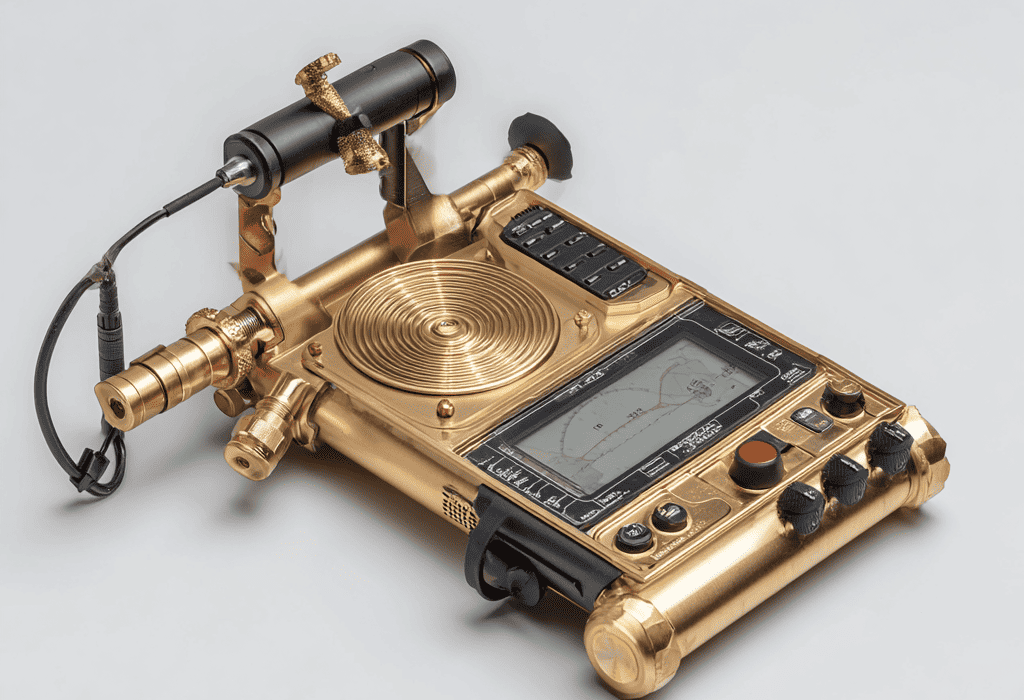
There is a common misconception that treasure hunting is a leisurely stroll punctuated by the occasional beep. Anyone who has spent a full day in the field knows the truth: it is a physical pursuit that demands stamina, focus, and physical resilience. A six-hour hunt involves thousands of repetitive sweeping motions, miles of walking across uneven terrain, and constant engagement of the shoulders, wrists, and back. For years, the physical toll of the hobby was simply accepted as the price of admission. Enthusiasts would return home with aching arms and fatigued bodies, their passion sometimes dampened by the physical cost of their pursuit. Today, that narrative has been rewritten. The modern era of professional metal detecting places ergonomics and endurance at the forefront of design, ensuring that the only limit to a successful hunt is the hunter’s own curiosity, not their physical comfort. Just as walk through metal detectors provide seamless, non-intrusive security in public spaces, modern handheld detectors are engineered to become natural extensions of the user, moving with the body rather than against it.
 The shift toward ergonomic excellence represents a fundamental change in how manufacturers approach the user experience. In the past, detectors were often designed around the electronics first, with the physical form being an afterthought. Heavy control boxes mounted at the wrist, rigid shafts that could not be adjusted, and poorly balanced coils created a machine that fought against the user with every swing. The result was fatigue, strain, and abbreviated hunts. Today, professional detectors are conceived with the human body as the central design consideration, and the positive impact on both enjoyment and success rates has been transformative.
The Science Of Weight Distribution And Balance
One of the most critical factors in all-day comfort is weight distribution, not merely total weight. A detector that weighs three pounds but places that weight entirely at the hand will feel exponentially heavier after an hour of use than a four-pound detector that balances the load across the arm and shoulder. Modern professional detectors address this through sophisticated engineering that positions the control unit closer to the elbow or behind the hand, creating a balanced fulcrum point.
This balanced configuration allows the coil to float just above the ground with minimal effort. Instead of the user lifting and controlling the weight of the machine, the detector naturally rests in a neutral position. The positive result is that the muscles of the forearm, wrist, and shoulder remain relaxed throughout the hunt. Fatigue is no longer the limiting factor that cuts a day short. Hunters report being able to double or triple their time in the field without experiencing the familiar ache that once signaled it was time to quit. This endurance translates directly into success: more time swinging means more targets found, and more ground covered means fewer areas left unexplored.
Carbon Fiber And Advanced Materials
The materials used in modern detector construction have also undergone a positive revolution. The days of heavy steel or rigid aluminum shafts are fading, replaced by lightweight, high-strength carbon fiber. This material offers an exceptional strength-to-weight ratio, providing the rigidity needed for precise control while adding almost no weight to the overall package.
Carbon fiber also offers benefits beyond weight reduction. It dampens vibration, meaning that the subtle feedback from the coil is transmitted cleanly without the hand being fatigued by constant micro-vibrations. It is also naturally resistant to corrosion, a critical feature for those who hunt in saltwater environments or wet conditions. The use of such advanced materials reflects a commitment to the user’s endurance, ensuring that the equipment remains a reliable partner for years without degrading or becoming heavier through corrosion or wear.
Adjustability For Every Body
No two hunters are shaped the same, yet for decades, metal detectors offered minimal adjustability. A fixed shaft length meant that what was comfortable for a tall user was awkward for a shorter user, and vice versa. This one-size-fits-all approach forced users to adopt unnatural postures, leading to back strain, shoulder tension, and inefficient sweeping angles.
Modern professional detectors celebrate diversity in body types and hunting styles through extensive adjustability. Telescoping shafts with cam locks allow for precise length adjustment, ensuring that the user can maintain a natural arm extension without hunching or overreaching. Adjustable arm cuffs accommodate different forearm sizes and allow for quick release when switching hands. Even the angle of the control box can often be adjusted to provide optimal screen visibility without requiring the user to twist the wrist into an unnatural position.
This level of customization means that a detector can be fitted to the individual rather than the individual having to adapt to the detector. The positive outcome is a hunting experience that feels intuitive and natural. When the equipment fits properly, the user can focus entirely on listening for signals and reading the terrain, rather than constantly adjusting their posture to compensate for an ill-fitting tool.
Coil Technology And Sweeping Efficiency
Ergonomics extends beyond the shaft and control box to the very component that interacts with the ground: the coil. Coil design has evolved significantly to reduce drag and improve sweeping efficiency. Open-frame or “spider” coils allow water, sand, and tall grass to pass through rather than pushing against them, dramatically reducing the physical effort required to maintain a consistent sweep speed.
Furthermore, the weight of coils has been optimized without sacrificing depth or sensitivity. Manufacturers have developed coils that are larger in coverage area yet lighter in actual weight, allowing users to cover more ground with fewer passes while expending less energy. The positive synergy between lightweight construction and aerodynamic design means that the repetitive motion of sweeping becomes fluid and effortless, preserving energy for the excitement of the dig rather than exhausting it on the swing itself.
The Positive Impact On Success Rates
The relationship between ergonomics and success is not merely about comfort; it is fundamentally about performance. A hunter who is physically comfortable maintains better focus, sharper auditory concentration, and more consistent sweeping technique throughout the day. Fatigue degrades judgment; it leads to rushed swings, missed signals, and careless digging. By eliminating physical fatigue as a variable, ergonomic design allows the hunter to operate at peak mental acuity for longer periods.
Consistent sweeping speed and coil height are essential for maximizing depth and target identification. When a detector is balanced and comfortable, the user naturally maintains the optimal coil position without conscious effort. This consistency results in fewer missed targets, more accurate signal interpretation, and a higher overall success rate. The hunter returns home not only physically refreshed but also more satisfied with the results of their effort.
Long-Term Health And Enjoyment
Finally, the focus on ergonomics has positive implications for the long-term sustainability of the hobby. Repetitive strain injuries, tendinitis, and chronic back pain were once common complaints among dedicated detectorists who spent decades swinging poorly balanced machines. Modern ergonomic design prioritizes joint health, encouraging natural movement patterns that reduce stress on the wrists, elbows, shoulders, and lower back.
This means that the passion for treasure hunting can be sustained across a lifetime. Newcomers can enter the hobby without being discouraged by physical discomfort, and veterans can continue pursuing their passion well into their later years without being sidelined by preventable injuries. The result is a vibrant, inclusive community where the joy of discovery is accessible to all, regardless of age or physical condition.
The evolution of professional metal detector design toward ergonomic excellence represents a profound positive shift in the hobby. By prioritizing weight distribution, advanced materials, adjustability, and user-centered design, manufacturers have transformed metal detecting from a physically demanding activity into an accessible, sustainable pursuit. The hunter of today can explore for hours without fatigue, cover vast territories with consistent precision, and return home energized by the experience rather than depleted by it. When the equipment works with the body rather than against it, every sweep becomes a pleasure, every signal becomes an opportunity, and the only limit is the horizon.